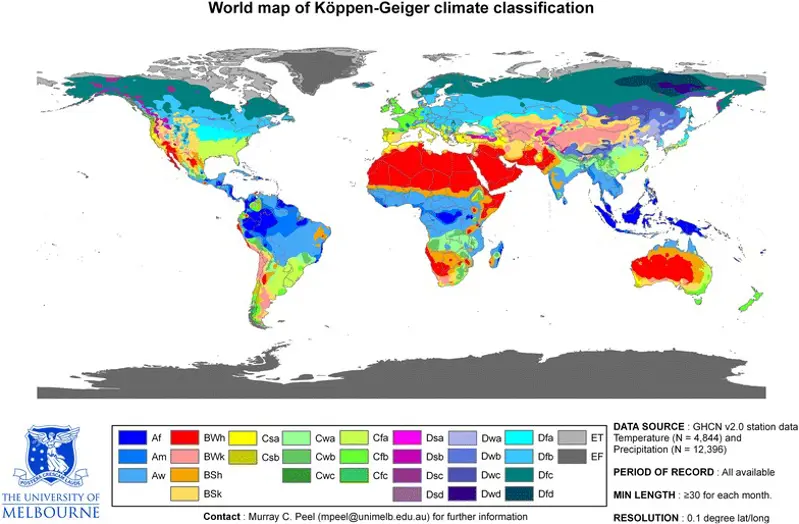
The smaller brain size detected in Aboriginal populations in tropical regions of Africa and South Asia can be attributed to interbreeding with H. heidelbergensis [46]. These people likely benefited from interbreeding with hominid ancestors that were less dependent on fire and likely had cognitive abilities that made them more adept at surviving in the tropics. Some studies have observed a correlation between IQ and brain size, but this controversial finding is far from conclusive [47]. The very definition of intelligence is debatable, and IQ as a measure has faced all sorts of criticism, the organization of an individual brain may matter more than its size. Regardless, and for what it's worth, studies of brain size based on cranial capacity show lower values in tropical regions of Africa, South Asia and Oceania, regions where lighting a fire would be difficult, as discussed in this section. Moreover, without archaic Neanderthal ancestry, sub-Saharan African populations would have been more susceptible to genes associated with aggression or hyperactivity, which are found only in H. sapiens. This finding could help explain the differences in violence or aggression found in the modern human species. Still, any implications would not be significant. There have been many cross-cultural exchanges over the past few hundred years. Geneticist David Reich says he is not sure there is a population that would not have Eurasian DNA [39]. The study will only provide information on Neanderthal DNA acquired thousands of years ago.
Comments
Be the first to comment!