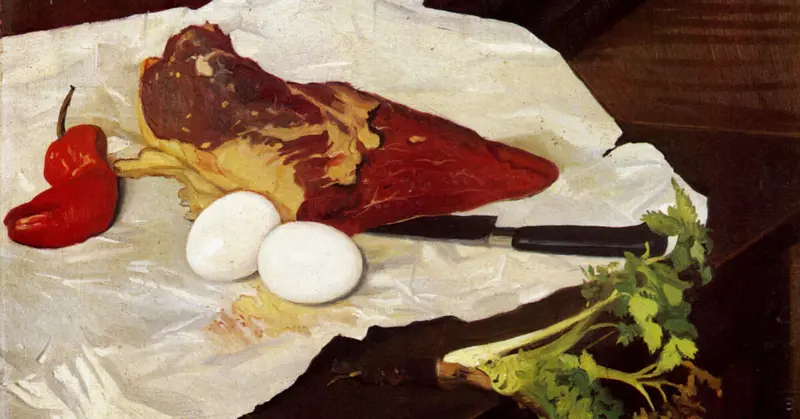
In fact, gaps in our current knowledge of what the brain needs to be healthy could potentially pose a serious problem for vegans, as it is difficult to artificially add a nutrient to the diet if scientists have not yet discovered its value. Take choline: in the brain, it is used to produce acetylcholine, which is involved in many tasks, including the transmission of messages between nerve cells. It is fundamental to our ability to think - even insects have it in their tiny brains - and the body cannot produce enough of it on its own. And yet: It's a very under-researched nutrient, says Wallace. I think we've only recognized it as essential [something you need to get from your diet] since the late 1990s. Small amounts of choline are found in many basic vegan foods, but the richest sources include eggs, beef and seafood. Wallace cites a 2018 study that found that children of women who consumed twice the amount considered adequate - about 930 mg per day - in their last third of pregnancy enjoyed a sustained cognitive advantage. By comparison, the average vegetarian gets about one-fifth of that amount. In other cases, our understanding is even more unclear. Read the full article by the BBC's Zaria Gorvett, How a vegan diet can affect your intelligence, January 28, 2020
Comments
Be the first to comment!